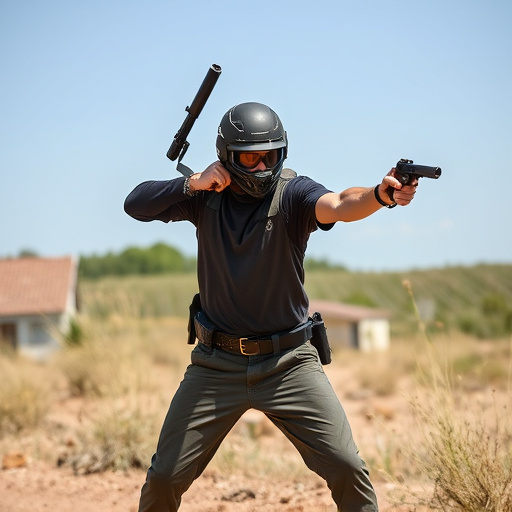
Understanding pepper spray's optimal temperature range (-10°C to 50°C/14°F to 122°F) ensures effectiveness. Local laws regarding self-defense and responsible force use empower individuals to navigate dangerous situations. Pepper spray, effective against assailants due to capsaicin, requires ideal temperature conditions for best performance. Extreme cold or heat reduce its potency, so choosing brands with detailed ingredient info is crucial. Responsible carrying, training, and knowledge of legalities are essential when using pepper spray as a self-defense tool.
“Uncover the power of self-defense with an anti-assault pepper spray—a compact yet potent tool for personal safety. This comprehensive guide explores your rights, delves into the science behind its effectiveness, and provides expert advice on selection.
Learn about the optimal temperature range pepper spray and its role in deterring attacks. Discover key factors to consider when choosing your defense, legal training requirements, and more. Empower yourself with knowledge and make an informed decision.”
- Understanding Assault and Self-Defense Rights
- The Science Behind Pepper Spray Effectiveness
- Choosing Pepper Spray: Factors to Consider
- Optimal Temperature Range Pepper Spray Explained
- Training and Legal Aspects of Carrying Pepper Spray
Understanding Assault and Self-Defense Rights
Understanding Assault and Self-Defense Rights
In many jurisdictions, individuals have the right to protect themselves against assault, an act that causes fear of imminent harm or physical injury. One effective tool for self-defense is pepper spray, designed to temporarily incapacitate an attacker by irritating the eyes and respiratory system. The optimal temperature range for pepper spray varies between -10°C to 50°C (14°F to 122°F), ensuring its effectiveness in various weather conditions. This versatility makes it a popular choice for personal safety, especially when used responsibly and within legal limits.
Knowing one’s rights and the capabilities of self-defense tools like pepper spray empowers individuals to take proactive measures for their safety. It’s crucial to understand local laws regarding self-defense and the appropriate use of force, as these guidelines can vary significantly between regions. By being informed and prepared, folks can better navigate potentially dangerous situations, fostering a sense of security in today’s world.
The Science Behind Pepper Spray Effectiveness
Pepper spray, a powerful defense tool, works by targeting the human eyes and respiratory system. Its primary active ingredient, capsaicin, is derived from chili peppers and causes intense irritation when it comes into contact with mucous membranes. The optimal temperature range for pepper spray to be effective lies between 2 and 4 degrees Celsius (35.6 to 39.2 degrees Fahrenheit). At this cold temperature, capsaicin crystals rapidly dissolve, releasing a potent gas that leads to temporary blindness, coughing, and difficulty breathing in the assailant. This scientific principle ensures that pepper spray remains a reliable and effective self-defense mechanism for individuals facing physical threats.
Choosing Pepper Spray: Factors to Consider
When choosing pepper spray, understanding the optimal temperature range is crucial. This factor ensures its effectiveness in various weather conditions. Pepper spray performance can be significantly affected by extreme cold or heat, making it less potent when temperatures drop below freezing or soar above 120°F (49°C).
Additionally, consider the type of pepper used, as different varieties have varying levels of capsaicinoids, the chemical responsible for the burning sensation. A higher concentration ensures more potent protection. Look for brands that offer detailed information on their products’ active ingredients and temperature resistance to ensure you’re prepared in any situation.
Optimal Temperature Range Pepper Spray Explained
The effectiveness of pepper spray is heavily influenced by its optimal temperature range, which varies depending on the type and quality of the product. Most effective pepper sprays operate best within a specific temperature band, typically between -5°C to 40°C (23°F to 104°F). This range ensures that the active ingredients remain potent and readily dispersed in an aerosol form.
Beyond these limits, pepper spray can lose its potency. Extreme cold can cause some sprays to solidify or freeze, rendering them useless until they thaw. Conversely, very high temperatures can cause the spray to evaporate too quickly, reducing its impact. Knowing and considering this optimal temperature range is crucial when choosing a self-defense tool, ensuring that it will function reliably in various environmental conditions.
Training and Legal Aspects of Carrying Pepper Spray
Carrying pepper spray as a personal defense tool comes with its own set of responsibilities, training, and legal considerations. It’s crucial to understand that while pepper spray can be an effective deterrent in certain situations, it should never be used lightly or without understanding its impact. Training sessions often include learning safe handling practices, proper application techniques, and awareness of local laws regarding self-defense tools like pepper spray.
One key aspect to keep in mind is the optimal temperature range for pepper spray to remain effective. Pepper spray formulations vary, but most are designed to work within a specific temperature window, typically around 10°F to 120°F (-12°C to 49°C). Exposing pepper spray to extreme heat or cold can affect its potency and shelf life, so storage and usage guidelines should be followed diligently. Ensuring you’re familiar with state and local regulations regarding the carrying of pepper spray is essential; laws vary widely, and understanding your rights and responsibilities can help ensure legal compliance while enhancing personal safety.
In light of the above discussions, it’s clear that anti assault pepper spray can be a powerful self-defense tool. Understanding both its scientific effectiveness and legal considerations is crucial for those seeking to protect themselves. When choosing a pepper spray, consider factors like optimal temperature range to ensure maximum performance in various conditions. Remember that proper training and knowledge of local laws are essential before carrying such a device. Stay informed, be prepared, and prioritize your safety.