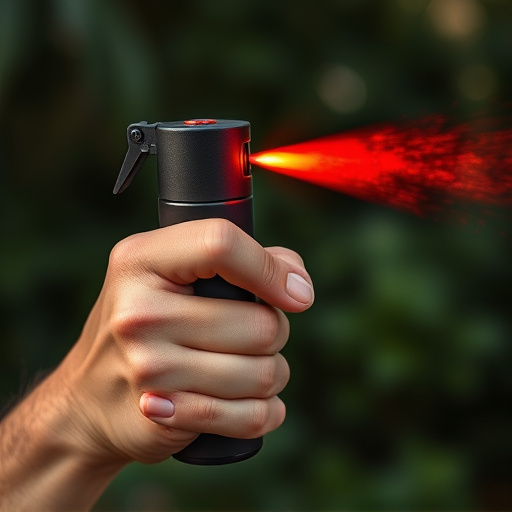
The optimal temperature range pepper spray is a non-lethal deterrent that temporarily disables assailants, offering individuals crucial escape time. With advanced formulations and targeted spray patterns, it minimizes collateral damage while remaining effective in various environments. When choosing this type of spray, consider factors like ease of use, reliability, legal considerations, size, weight, and durability to ensure a safe and reliable self-defense tool.
“Personal security is a top priority in today’s world, and non-lethal deterrent devices offer a powerful yet responsible approach to self-defense. This comprehensive guide explores the latest innovations, with a focus on understanding optimal temperature range pepper spray. We delve into its role as an effective personal security tool, highlighting benefits and considerations.
Learn about key factors to evaluate when choosing the right non-lethal deterrent, ensuring you’re prepared for any situation while adhering to ethical standards.”
- Understanding Non-Lethal Deterrent Devices: A Comprehensive Overview
- The Role of Optimal Temperature Range Pepper Spray in Personal Security
- Benefits and Considerations for Non-Lethal Self-Defense Tools
- Choosing the Right Non-Lethal Deterrent: Key Factors to Evaluate
Understanding Non-Lethal Deterrent Devices: A Comprehensive Overview
Non-lethal deterrent devices, also known as less-lethal weapons or non-deadly force tools, are designed to incapacitate or deter individuals without causing permanent physical harm. These innovative products play a significant role in personal security and law enforcement strategies, offering an alternative to traditional lethal force. One of the most common types is pepper spray, which has gained popularity due to its effectiveness and relatively safe profile when used within the optimal temperature range.
Optimal temperature range pepper spray operates by irritating the eyes and respiratory system, causing temporary blindness, coughing, and difficulty breathing. This enables users to escape or subdue an assailant without resorting to lethal force. The key to its success lies in the specific formulation and application method, ensuring maximum potency while minimizing collateral damage. Modern pepper sprays are designed with advanced cap mechanisms and targeted spray patterns to improve accuracy and reduce the risk of accidental activation, making them user-friendly and reliable tools for personal protection.
The Role of Optimal Temperature Range Pepper Spray in Personal Security
In the realm of personal security, optimal temperature range pepper spray stands out as a game-changer. This non-lethal deterrent is designed to incapacitate an attacker temporarily without causing severe harm, making it a crucial tool for self-defense. The key lies in its effectiveness within a specific temperature range; when deployed at the right moment, this spray can disrupt an assailant’s vision and breathing, providing the user with precious time to escape or seek help.
The strategic use of optimal temperature range pepper spray is particularly useful in dynamic situations. Its ability to create a temporary but significant barrier ensures users’ safety during high-stress encounters. This technology not only empowers individuals but also promotes a sense of security, especially for those who may be at higher risk due to their daily routines or environments.
Benefits and Considerations for Non-Lethal Self-Defense Tools
Non-lethal self-defense tools offer a range of benefits for personal security, providing individuals with options beyond traditional lethal force. These devices can be particularly effective in de-escalating potentially dangerous situations and giving users time to escape or seek help. One popular non-lethal deterrent is pepper spray, which creates an uncomfortable irritation when sprayed into the eyes and respiratory system, allowing the user to create distance from a threat actor. The optimal temperature range for pepper spray is crucial; it must be potent enough to deter an attacker but not so hot that it becomes ineffective or causes unnecessary harm.
When considering non-lethal self-defense tools, several factors come into play. For instance, ease of use and reliability are paramount; the device should be accessible and effective in high-stress situations. Additionally, legal considerations vary across jurisdictions, so understanding local laws regarding self-defense tools is essential. Other aspects include size and weight, ensuring the device can be easily carried without hindering mobility, and durability to withstand various environmental conditions.
Choosing the Right Non-Lethal Deterrent: Key Factors to Evaluate
When selecting a non-lethal deterrent, understanding your specific needs and environmental factors is crucial. One key consideration is the optimal temperature range for the device, especially when using pepper spray. These solutions are effective in diverse conditions, but extreme temperatures can impact their performance. For instance, cold weather may cause some pepper sprays to solidify or reduce in potency, while high heat can accelerate evaporation.
Additionally, factors like ease of use, durability, and reliability should be evaluated. The device should be easily accessible and ready for deployment when needed, built to withstand various environments, and consistent in its effectiveness. Remember, the best non-lethal deterrent is one that you feel confident using and that provides a strong deterrent without causing lasting harm.
In conclusion, non-lethal deterrent devices, particularly those like optimal temperature range pepper spray, offer a crucial option for personal security. By understanding their mechanics, benefits, and key factors in selection, individuals can empower themselves to deter potential threats effectively. Armed with knowledge and the right tools, folks can navigate dangerous situations with greater confidence and safety.