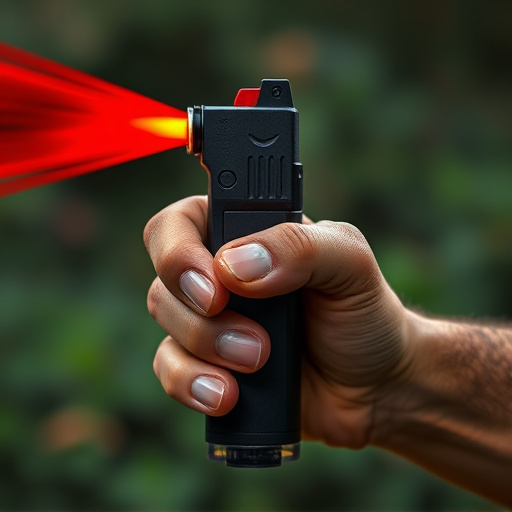
Pepper spray, a non-lethal crowd control agent, relies on oleoresin capsicum (OC) and capsaicin for effectiveness within an optimal temperature range of 20°C to 35°C. Temperatures outside this range can reduce the spray's volatility and penetration, impacting its neutralizing abilities. Law enforcement agencies must follow safety guidelines, understand this optimal range, and employ clear de-escalation strategies while deploying pepper spray to minimize harm to bystanders and maximize effectiveness.
In the realm of crowd control, police forces often turn to pepper spray as a quick-acting measure. This article delves into the effectiveness of pepper spray, exploring its role and the science behind it. We examine the optimal temperature range for its maximum impact and the crucial implementation and safety considerations. Furthermore, we discuss alternative solutions in modern crowd control tactics, offering a comprehensive guide to understanding this controversial tool.
- Understanding Pepper Spray as a Crowd Control Measure
- The Science Behind Optimal Temperature for Pepper Spray Effectiveness
- Implementation and Safety Considerations When Using Pepper Spray
- Exploring Alternative Solutions in Modern Crowd Control Tactics
Understanding Pepper Spray as a Crowd Control Measure
Pepper spray, officially known as oleoresin capsicum (OC) spray, is a non-lethal crowd control measure that has become a standard tool for law enforcement agencies worldwide. Its primary purpose is to temporarily incapacitate individuals and disrupt crowds by causing a burning sensation, tears, and difficulty breathing. This unique substance is derived from the capsicum fruits, commonly known as chili peppers, and its effectiveness lies in its active ingredient, capsaicin.
When deployed within the optimal temperature range, pepper spray can swiftly bring an individual to their knees, providing officers with valuable time to control a situation. The ideal conditions for maximum efficacy are usually between 20°C and 35°C (68°F to 95°F). This is because capsaicin vaporizes at these temperatures, allowing it to quickly penetrate the eyes, nose, and respiratory system, thereby neutralizing the targeted person. However, usage outside this range may reduce its effectiveness, as lower or higher temperatures can impact the spray’s volatility and reach.
The Science Behind Optimal Temperature for Pepper Spray Effectiveness
Pepper spray, a popular crowd control measure, works by disrupting the normal functioning of the eyes and respiratory system. Its effectiveness is heavily influenced by environmental factors, with temperature playing a crucial role. The optimal temperature range for pepper spray to achieve maximum impact typically falls between 20°C (68°F) and 35°C (95°F).
Below these temperatures, the spray’s chemical composition may solidify or lose potency, reducing its ability to cause discomfort or incapacitate targets. Conversely, temperatures exceeding 35°C can lead to evaporation of the spray too quickly, limiting its duration and impact. Understanding this optimal temperature range is essential for law enforcement agencies to ensure the spray remains effective during different weather conditions and environments.
Implementation and Safety Considerations When Using Pepper Spray
When implementing pepper spray for crowd control, law enforcement agencies must adhere to specific safety guidelines and best practices. It’s crucial to understand that pepper spray is most effective within an optimal temperature range. Extreme heat or cold can diminish its potency, so ensuring a moderate environment is key. Proper training of officers in its use is equally vital; this includes knowing the appropriate distance, duration of application, and necessary follow-up actions.
Safety considerations extend to both the officers using the spray and the public. It’s important to ensure minimal risk to bystanders and avoid excessive use. Regular maintenance and quality control checks on equipment are essential to guarantee the spray’s integrity. Additionally, having a clear de-escalation strategy in place allows for the timely and effective deployment of pepper spray while minimizing potential harm.
Exploring Alternative Solutions in Modern Crowd Control Tactics
In modern crowd control tactics, law enforcement agencies are continually exploring alternative solutions beyond traditional methods. One area of interest is the use of pepper spray, which has been refined to offer an optimal temperature range for effectiveness while minimizing off-target impacts. The ideal temperature window ensures that the spray remains potent enough to disrupt and disperse crowds without causing severe discomfort or long-lasting harm to bystanders.
This evolution in crowd control technology reflects a balance between maintaining public safety and demonstrating restraint. By focusing on precise applications within the optimal temperature range, pepper spray can be employed more selectively, reducing its use as a last resort. Such advancements not only enhance operational efficiency but also foster better community relations by demonstrating a commitment to de-escalation strategies in crowd management.
In conclusion, while pepper spray has been a standard tool for crowd control, understanding the science behind its effectiveness, such as the optimal temperature range, is crucial. As we explore alternative solutions in modern crowd control tactics, it’s important to consider both the benefits and limitations of pepper spray alongside innovative non-lethal technologies. By doing so, we can create safer and more effective strategies for managing public gatherings.