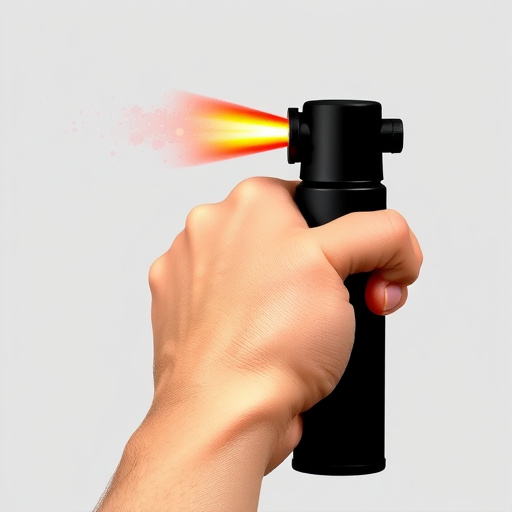
Pepper spray, an effective self-defense tool using capsaicin to temporarily disable attackers within a -20°C to 50°C (4°F to 122°F) optimal temperature range. This range ensures its potency and ease of deployment in diverse conditions. Extreme cold solidifies the spray while high heat accelerates evaporation, impacting usage and requiring proper packaging & reapplications. Understanding these factors is crucial for law enforcement, security personnel, and individuals using pepper spray for personal safety.
“Uncover the power of pepper spray as a deterrent defense mechanism, especially within the context of its optimal temperature range. This article delves into the science behind this potent self-defense tool, exploring its chemical composition and effectiveness. We analyze how climate conditions impact its performance, providing insights on maximizing its efficacy. From understanding application techniques to considering safety measures, gain practical knowledge on leveraging pepper spray as a reliable defense mechanism, particularly in various temperature settings.”
- Understanding Pepper Spray: The Chemical Composition and Its Effectiveness
- Optimal Temperature Range: How Climate Affects Pepper Spray Performance
- Deterrent Defense Mechanism: The Role of Pepper Spray in Self-Protection
- Application and Safety Considerations for Optimal Efficacy
Understanding Pepper Spray: The Chemical Composition and Its Effectiveness
Pepper spray, a common self-defense mechanism, is a chemical compound designed to disable and deter attackers temporarily. Its primary active ingredient is capsaicin, the same chemical that gives spicy foods their heat. This irritant triggers nerve endings in the eyes, nose, and throat, causing intense pain, tearing, and temporary blindness. The optimal temperature range for pepper spray to be effective lies between -20°C and 50°C (4°F to 122°F), ensuring it remains potent under typical environmental conditions.
The effectiveness of pepper spray relies on its ability to create a disorienting and debilitating effect, giving the user time to escape or seek help. When deployed, the spray creates a cloud of fine droplets that quickly reach the attacker’s eyes and face, impairing their visibility and sensation. This advantage makes pepper spray a popular choice for individuals seeking a non-lethal way to protect themselves in various situations, from personal attacks to law enforcement applications.
Optimal Temperature Range: How Climate Affects Pepper Spray Performance
The optimal temperature range for pepper spray to be effective is between -20°C and 50°C (-4°F to 122°F). Beyond this range, its performance can significantly deteriorate. Extreme cold can cause pepper spray to solidify, making it difficult to deploy, while high temperatures can lead to evaporation of the active ingredient faster, reducing its potency.
Climate conditions play a crucial role in determining how well pepper spray works as a deterrent. In colder climates, ensuring that pepper spray remains in its usable form requires proper packaging and storage. Conversely, hot and humid environments may necessitate more frequent reapplications to maintain effectiveness. Understanding these factors is essential for law enforcement, security personnel, and individuals who rely on pepper spray for self-defense in various environmental conditions.
Deterrent Defense Mechanism: The Role of Pepper Spray in Self-Protection
Pepper spray has established itself as an effective deterrent and defense mechanism for personal safety, particularly in situations where one may face physical threats or attacks. Its primary role is to incapacitate an assailant temporarily, providing the user with valuable time to escape or defend themselves. The active ingredient in pepper spray, capsaicin, disrupts the nerve signals to the brain, causing a burning sensation and temporary blindness, which can deter an attacker and create an opportunity for self-protection.
The optimal temperature range for pepper spray is crucial to its effectiveness. This range typically falls between -20°C to 50°C (-4°F to 122°F), ensuring that the spray remains potent and easily deployable in various environmental conditions. This feature makes pepper spray a versatile self-defense tool, suitable for both indoor and outdoor scenarios, offering individuals peace of mind and a sense of security when facing potentially dangerous situations.
Application and Safety Considerations for Optimal Efficacy
For optimal efficacy as a deterrent, pepper spray should be applied within the recommended optimal temperature range, typically between -4°F to 120°F (-20°C to 49°C). Exceeding this range can affect the spray’s concentration and performance. For instance, in extreme cold, pepper spray may solidify, reducing its effectiveness, while high temperatures can cause it to evaporate too quickly, limiting its impact.
Safety considerations are paramount when using pepper spray. Users should wear protective gear, including gloves, eye protection, and a respirator, to minimize direct contact with the spray. It’s crucial to aim for non-target areas like the eyes and face, as direct contact can cause discomfort or even harm. Proper training in application techniques is essential to ensure the spray reaches its intended targets effectively while minimizing risk to users and bystanders.
Pepper spray, an effective deterrent, offers crucial self-protection in various scenarios. Understanding its chemical composition, optimal temperature range, and proper application is essential for maximizing its efficacy. By leveraging these insights, individuals can enhance their safety and peace of mind, especially in unpredictable environments where quick, strategic use of pepper spray can be a game-changer. Remember that, in the context of Optimal Temperature Range for pepper spray, awareness of climate’s impact on performance is key to ensuring its reliability when it matters most.