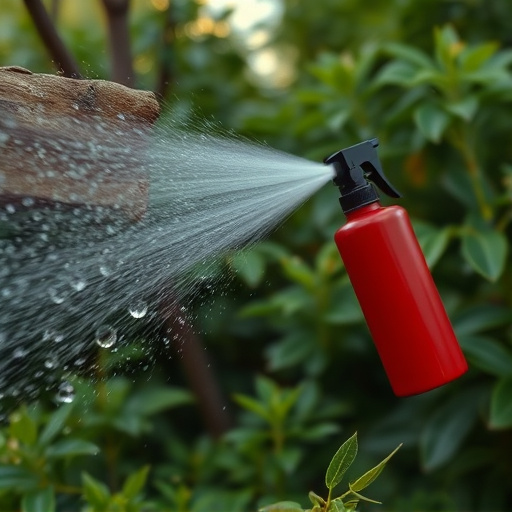
The optimal temperature range for pepper spray effectiveness is -5°C to 30°C (23°F to 86°F), crucial for preventing chemical solidification or evaporation too quick. This range ensures maximum efficacy and user/bystander safety, emphasizing proper training in application and de-escalation tactics.
“Discover the power of non-lethal self-defense with an innovative tool: pepper spray. This article explores the science behind its effectiveness, focusing on the crucial Optimal Temperature Range for optimal deployment. We delve into the Pepper Spray’s Mechanism, revealing how it inflames senses and ensures safety. Additionally, we highlight Safety Considerations, emphasizing responsible use and comprehensive training for those embracing this inflammatory self-defense method.”
- Optimal Temperature Range: Ensuring Effective Deployment
- Pepper Spray's Mechanism: Inflammatory Self-Defense Unveiled
- Safety Considerations: Responsible Use and Training
Optimal Temperature Range: Ensuring Effective Deployment
The optimal temperature range for effective deployment of non-lethal inflammatory self-defense tools, such as pepper spray, is crucial. These devices rely on precise chemical reactions to induce a temporary but intense discomfort in potential aggressors. For pepper spray, this means keeping the solution within a specific temperature window, typically between -5°C and 30°C (23°F to 86°F).
Temperatures outside this range can significantly impact the spray’s performance. Below -5°C, the chemical reagents may solidify or become less reactive, reducing their effectiveness. Conversely, temperatures exceeding 30°C can cause the pepper spray to evaporate too quickly, leading to a diminished range and intensity of the irritant. Thus, maintaining the optimal temperature range ensures that individuals using these self-defense tools have maximum efficacy during emergency situations.
Pepper Spray's Mechanism: Inflammatory Self-Defense Unveiled
Pepper spray, a non-lethal inflammatory self-defense tool, operates by provoking a temporary yet intense irritant response in the target’s eyes and respiratory system. Its primary active ingredient, capsaicin, is extracted from chili peppers and is responsible for the stinging sensation it causes. When sprayed, pepper spray rapidly evaporates, releasing tiny droplets that contain this potent chemical. This leads to a cascade of physiological responses, as the capsaicin binds to specific nerve receptors, triggering a burning sensation and subsequent inflammation.
The optimal temperature range at which pepper spray is most effective lies between 23°F (-5°C) and 57°F (14°C). Within this range, the spray’s components remain potent enough to incapacitate an attacker without causing severe or permanent harm. The heat-sensitive nature of capsaicin ensures its effectiveness, as it is designed to target warm-blooded creatures, making it a reliable tool for self-defense in various environments and weather conditions.
Safety Considerations: Responsible Use and Training
When considering a non-lethal inflammatory self-defense tool, such as pepper spray, safety considerations are paramount. It’s crucial to understand that while these tools can provide an effective deterrent against potential threats, they should be used responsibly and with proper training. The optimal temperature range for pepper spray is key; it must be stored and deployed within specified temperature limits to maintain its effectiveness and safety. Improper handling can lead to reduced potency or even degradation of the product, posing risks to users and bystanders alike.
Training is essential to ensure safe and effective use. This includes learning about the spray’s mechanism, proper application techniques, and understanding the impact on human targets. Users should be trained in de-escalation tactics as well, promoting a calm response to potential threats instead of resorting to force unnecessarily. Responsible use involves awareness of surroundings, compliance with local laws, and avoiding misuse, which can result in severe consequences for both the user and others.
In conclusion, understanding the optimal temperature range for pepper spray deployment is key to its effectiveness as a non-lethal inflammatory self-defense tool. By grasping how temperature impacts its mechanism of action, users can maximize its power while ensuring responsible and safe use. With proper training and adherence to safety considerations, pepper spray becomes an invaluable asset for personal protection, allowing individuals to defend themselves with confidence in various environmental conditions.